

Sacrifice
A conversation with Mark Valentine and R.B. Russell about Sarban

Sacrifice is out now via Closed Casket Activities, and the usual digital suspects. You can order in the UK here, and in the EU via Evilgreed.
I’ve long welcomed coincidence and accidents in my music making, I mentioned briefly some of the mistakes and venue structural damage that was reincorporated back into the album in the previous post.1
The day before release day I was re-reading the excellent tale Rumsey Schoolchildren by R. Ostermeier and came across this quote:
The Soul of any tale is to keep you locked inside it. To leave something of yourself behind, within it. Call it sacrifice. Call it an offering.
I don’t remember it from my first reading, but it captures the spirit of the album, so up it went in the release day post.
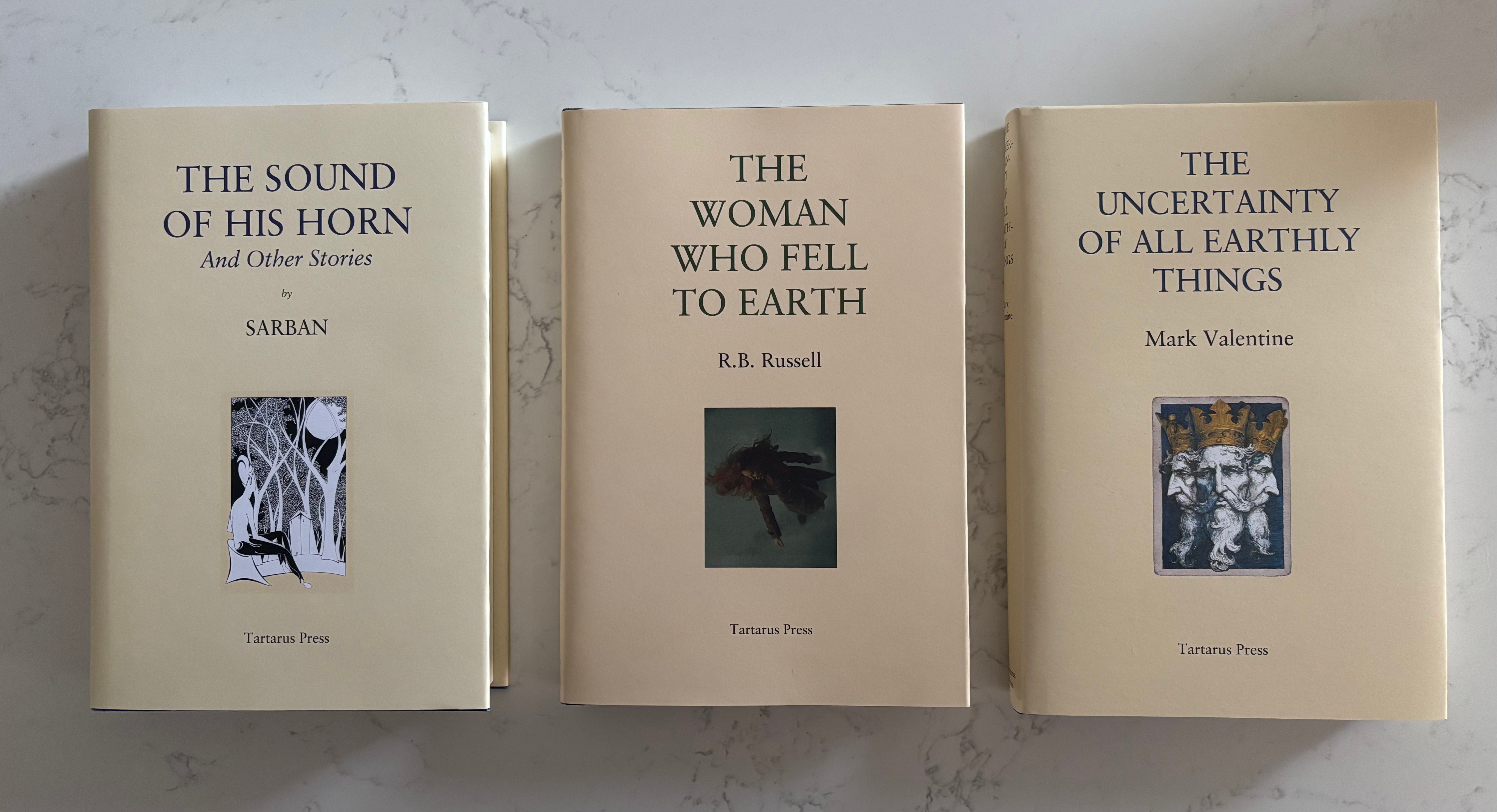
Long after I’d named Sacrifice I was reading the Tartarus Press collection The Sound of His Horn And Other Stories by Sarban and read the story The Sacrifice “in which a young artist encounters an Eastern-inspired tragedy in an idyllic English country garden.”2
The passage the stood out to me was:
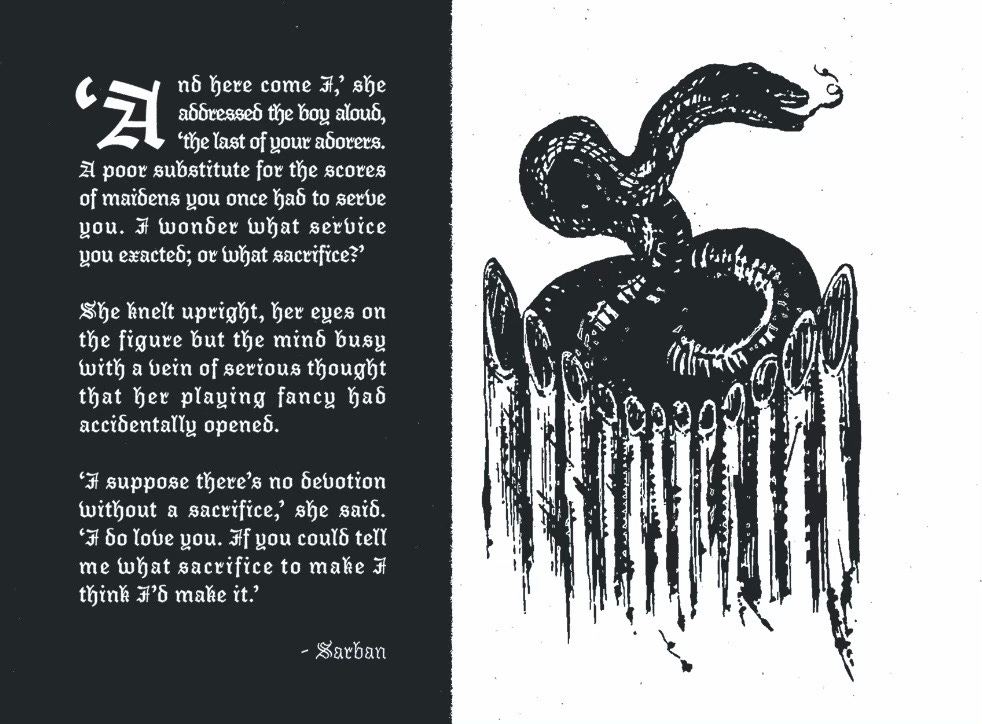
“And here comes I,” she addressed the boy aloud, “the last of your adorers. A poor substitute for the scores of maidens you once had to serve you. I wonder what service you exacted; or what sacrifice?”
She knelt upright, her eyes on the figure but the mind busy with a vein of serious thought that her playing fancy had accidentally opened.
“I suppose there’s no devotion without a sacrifice,” she said. “I do love you. If you could tell me what sacrifice to make I think I’d make it.”
Which I knew I wanted to incorporate into the packaging for the album.
R.B. Russell & Mark Valentine
I recently spoke with R.B. Russell, co-owner of Tartarus Press and administrator of Sarban’s literary estate, and Mark Valentine, author of Time, A Falconer A Study of Sarban about Sarban and his work.
R.B. Russell is also an accomplished author and essayist, his 2025 novel The Woman Who Fell To Earth is one of my favourite reads of the last few years, a deceptively deep strange tale that touches on toxic online culture, navigating the legacy of artists with dramatically different personal values than our own, when obsessive archiving and collecting begins to look like mental illness and hoarding, and more importantly what we leave behind for our loved ones when we die3.
I’d also recommend the episode of the C86 Show where Ray talks about his book Fifty Forgotten Records. Find wherever you listen to podcasts or follow the link.
Mark Valentine is an author and essayist I’ve been following for several years, my recommendations are the short story collection Lost Estates published by the excellent Swan River Press4, and the essay collection Qx5 by German press Zagava6.
Sarban
Who was Sarban? and where does his work fit into the field of strange stories/ weird fiction/ supernatural & fantasy literature?
Mark Valentine: He was John William Wall, a career diplomat from a working-class South Yorkshire background. His stories were inspired by the strange stories of H.G. Wells, Walter de la Mare, Arthur Machen and Lord Dunsany and they are written in a slightly old-fashioned, Edwardian way for their time, the 1950s.
R.B. Russell: Sarban has not always been thought of as fitting into the supernatural/weird fiction tradition, in part because his work is often overshadowed by The Sound of His Horn, an ‘alternative history’ that was often marketed as borderline science fiction, and often packaged quite sensationally. But, as Mark writes, in his supernatural fiction he was working with a conscious appreciation of the best authors in the genre.
Sarban was seemingly only an active writer for a very short period in the 1950s, why did he write for such a short period of time?
MV: He was only a published writer from 1951-53, with three books, but in fact he wrote fiction all his life. He worked on a long fantasy novel about a world dominated by women, and he also wrote more short stories, finished and unfinished. There is also an unpublished novel set in the Middle East, where he served, rejected twice by his publisher.
RBR: Sarban doesn’t seem to have stopped writing after his brief career as a published author, but one assumes that much of his fiction was composed for his own pleasure. As a career diplomat, he wrote his three books under his pseudonym, presumably so that his employers would not realise. Some of his unpublished writing may have raised even more eyebrows if it had been known.
Across several of Sarban’s tales there appears to be hints towards an interest in BDSM, is this fair to say or is this an overreach?
MV: He is interested in the theme of hunters and the hunted. He understands the allure of hunting and depicts the hunting of human prey in The Sound of His Horn. As part of this, he imagines scenes of entrapment and slavery, but his sympathies are with the hunted.
RBR: Mark’s analysis is absolutely correct. In some of the stories published posthumously he takes this fascination still further, suggesting that the theme was a serious interest that he returned to often.
Who is his work descended from and who is continuing the themes Sarban wrote about?
MV: See answer 1 for influences. I don’t know of a contemporary writer who would claim to be directly influenced by Sarban, though there are writers working in the more general supernatural fiction tradition of which he was a continuation, including those published by independent presses such as Tartarus, Swan River, Sarob and Zagava.
RBR: Like Mark, I can’t think of any contemporary authors that obviously carry on themes from Sarban. His fascination with the power or control that characters have over one another is an old one, of continuing relevance.
In the particular case of the alternative history novel The Sound of His Horn (1952), in which he imagined the consequences if the Nazis had won the Second World War, this was pre-dated by Murray Constantine’s Swastika Night, but there is nothing to suggest he read that particular book. The same theme was taken up by Philip K. Dick in The Man in the High Castle (1962), Len Deighton’s SS-GB (1978), amongst others. Sarban’s book was an early example in that particular sub-genre, but it is difficult to assess its impact. (It was often, and widely reprinted.)
Ray, why is it important to keep the work of Sarban in print and where does this fit within Tartarus Press? Is it fair to say that Tartarus Press has two main thrusts, one of promoting new and contemporary authors (Dare Segun Falowo, Reggie Oliver, Rosalie Parker), and one of keeping texts in print by classic authors (MR James, Robert Louis Stevenson, Edith Nesbit)?
RBR: Yes, keeping Sarban in print, along with Machen, de la Mare, Aickman and others, is important because they all have a place in the development of the genre. But from the beginning, Rosalie Parker and I felt that we wanted to play our part in the continuing development of supernatural/weird/strange fiction. Seeing authors we have first published and championed, like Andrew Michael Hurley and Angela Slatter, go on to have successful and influential careers has been very satisfying.
Which are your favourite Sarban tales? I’m partial to The Doll Maker and The Sea Things.
MV: Yes, The Doll Maker is a favourite, as is Ringstones. In these, Sarban was able to develop the story at greater length. Both are very subtly and skilfully told and build up a convincing atmosphere, with a strong sense of place.
RBR: I think The Doll Maker is probably my favourite. Sarban manages to write about the supernatural and make it compelling and atmospheric, while still keeping that uncomfortable sub-plot about power and control hidden just under the surface.
What are you both currently working on? Either editing, writing, or other. What have recently enjoyed reading or listening to in other people’s work?
MV: I’m editing an essay anthology, The Magus of Mexico: Malcolm Lowry, Magic and Myth, for Zagava. Lowry’s work is permeated by his interest in the esoteric, including the Tarot and the Kabbalah, and the book aims to bring this more to the fore.
Recent reading has included the forgotten Edwardian fantastical verse of Norman Boothroyd, for an essay to appear at the online literary journal Wild Court.
In music, I’m greatly beguiled by the work of the experimental Welsh triple harpist, multi-instrumentalist and singer Cerys Hafana, in particular their rediscoveries and reinterpretations of apocalyptic Welsh hymns. Something quite Machenesque about these!
RBR: We are about to reissue a revised and augmented edition of Mark Valentine’s short story collection, The Uncertainty of All Earthly Things,7 which has been satisfying to work on.
I have recently put together a collection of my own short stories for publication in the New Year, which is likely to be called The Sanctuary and Other Strange stories. It is always more daunting than publishing anybody else’s work! (The soundtrack to this has been old obsessions, Garlands by The Cocteau Twins, and the albums of Labradford.)
My recent reading has included The Old Ways by Robert Macfarlane and Wildwood by Roger Deakin. From their nature writing, I have moved on to Justin Hopper’s excellent The Old Weird Albion, which feels like a natural progression into rather stranger realms . . .
Next post: A conversation with Tavis Hitchcock aka Karkossyn
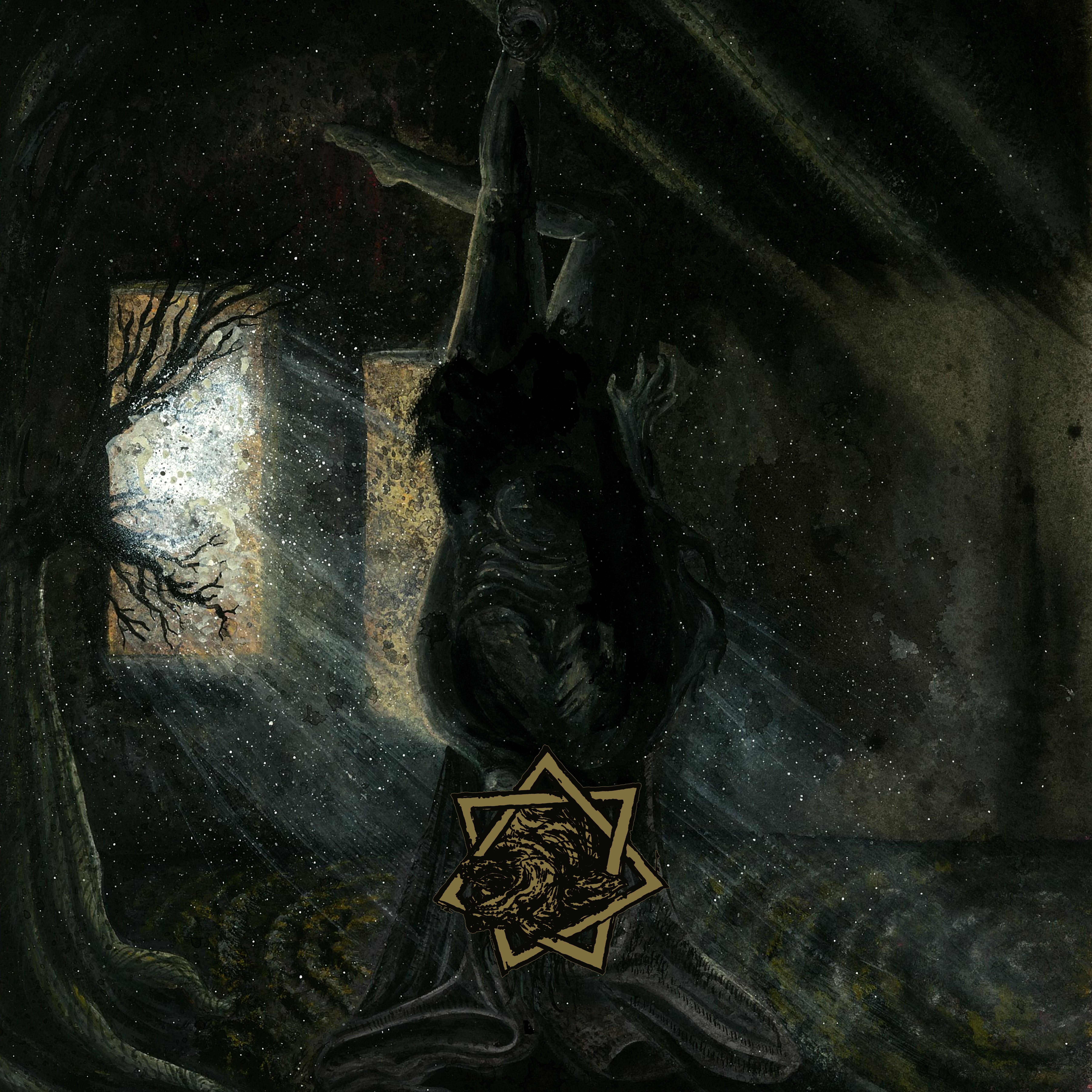
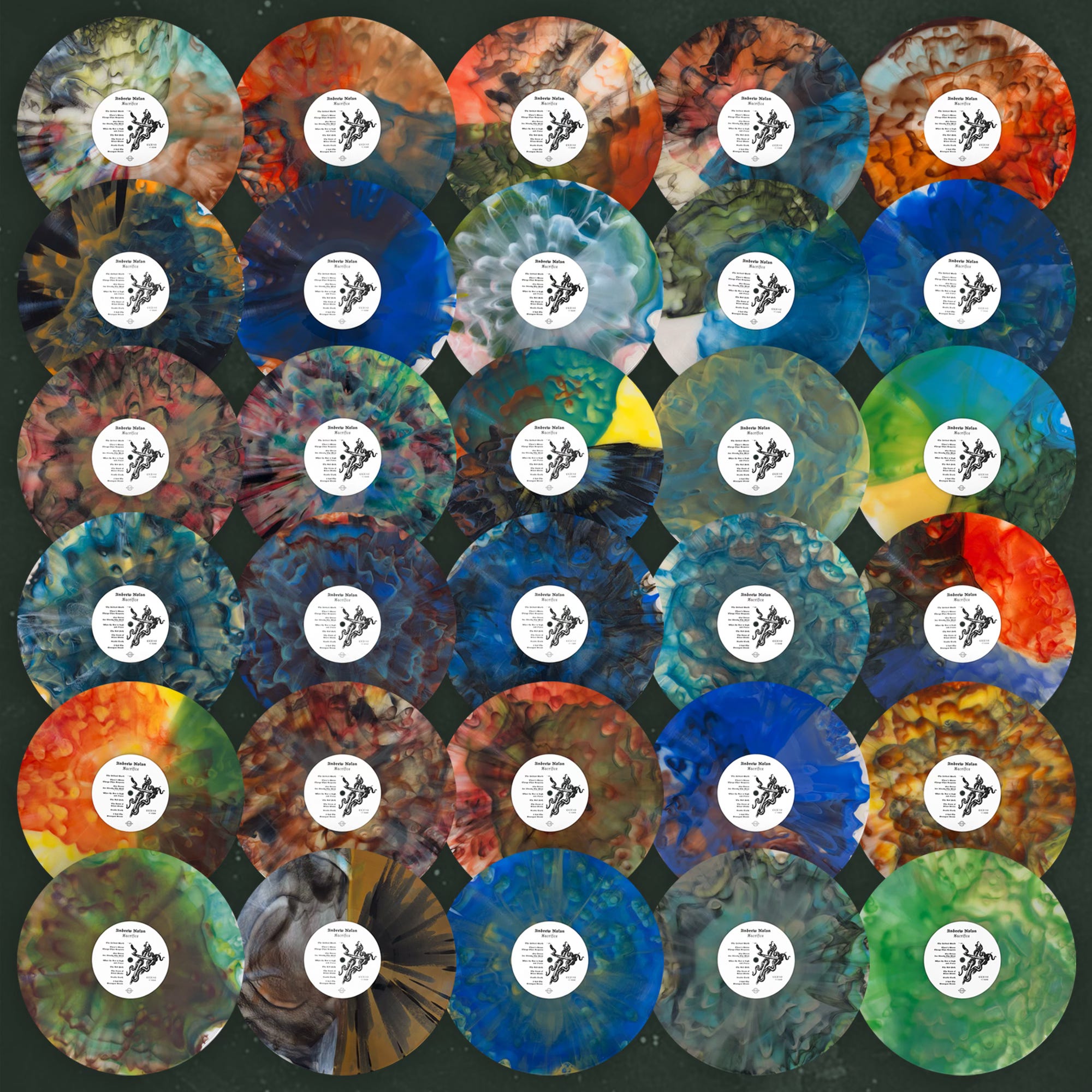
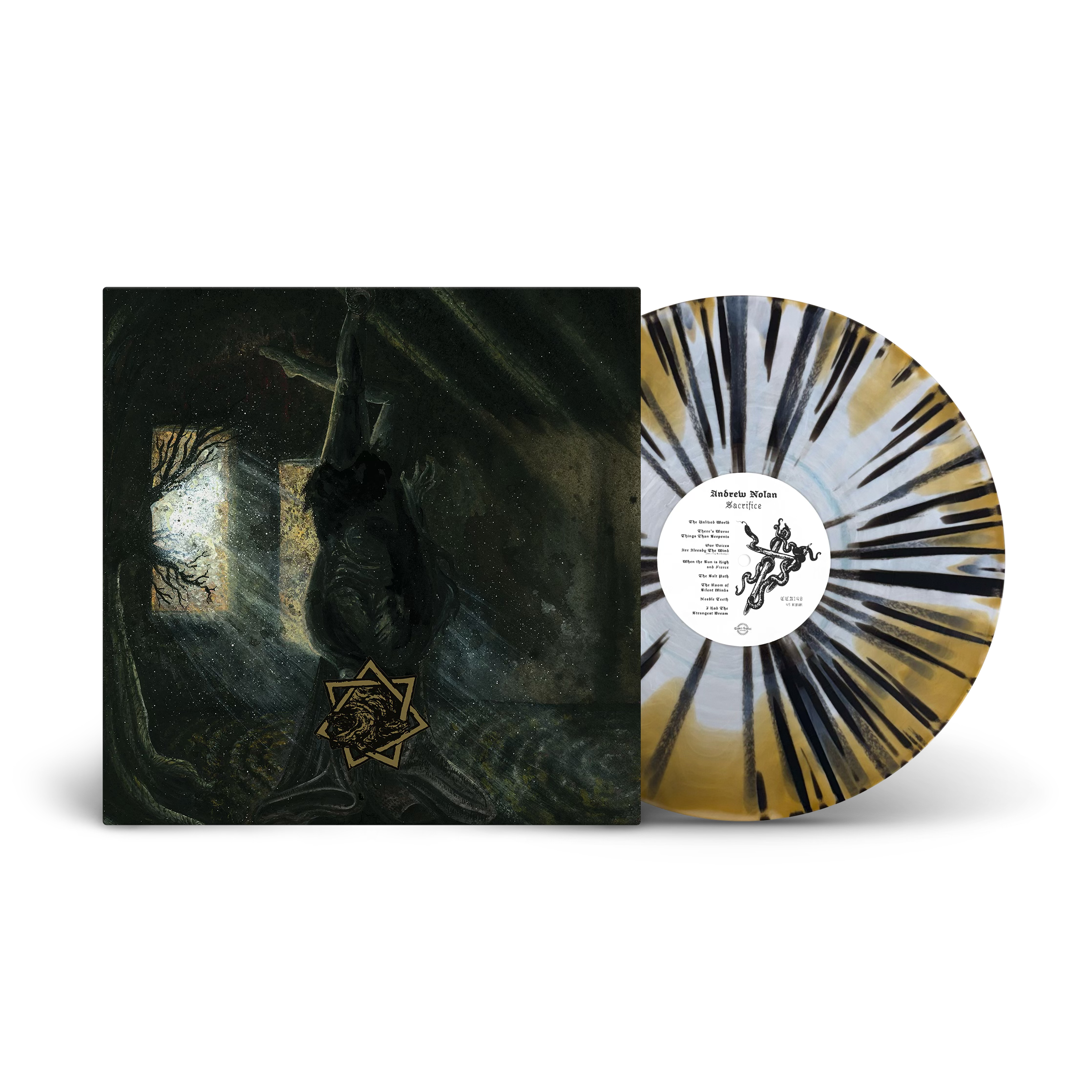
They might be in the Bandcamp page PR now that I think about.
Quote from Tartarus Press
If you’re reading this you likely have at least one of the following: too many records, too many cassettes, too many books, too many fanzines, too many band shirts, too many guitar effects pedals, too many synthesizers. And there’s a strong chance you also have a partner that will be stuck with this massive pile of culture that only you and your closest friends have any understanding of.
I tell everyone book inclined this, please read Now It’s Dark by Lynda E Rucker published by Swan River Press.
This was my fleeting review on Goodreads:
Another strong collection of essays and vignettes from Mark Valentine.
Not all the material is in the same vein, but a broad approach of a written flâneurism through cultural ephemera and literary detritus emerges.
Valentine uncovers hidden histories via the accumulation of multiple marginal cultural artefacts. History hidden not because it’s clandestine, but because taken on its own it is frequently disposable, of the moment, and relegated to the ranks of inconsequential and forgettable.
Valentine quotes from a brochure for a 1967 art exhibition that may or may not have had some Age of Aquarius leaning:
“Simply the knowledge that no knowledge is useless and ignorable”.
And this encapsulates Qx neatly.
I love Zagava Press.
The release date of Sacrifice took longer than anticipated and this has been published.